Steam Deck OLED Review: Still the Handheld PC to Beat at $789?
The Steam Deck OLED now starts at $789 for 512GB. We check the 7.4-inch HDR OLED screen, 50Whr battery and SteamOS against the Windows handhelds chasing it, and say who should still buy Valve's.

The verdict
The Steam Deck OLED is still the handheld PC with the best screen-to-software balance: the HDR OLED panel, the 50Whr battery and SteamOS that just works with Deck Verified games. At $789 it has lost its old bargain status, and its chip is the oldest in its class. Buy it if you live in your Steam library. Look elsewhere if you need Windows-only launchers or the highest frame rates.
Best forSteam library owners who want a polished, no-fuss handheld
What we liked
- 7.4-inch HDR OLED touchscreen with up to 90Hz refresh and 1,000 nits peak HDR
- 50Whr battery rated for 3 to 12 hours depending on the game
- SteamOS plus the Deck Verified program removes most setup guesswork
- Trackpads, back buttons and gyro give real control flexibility
- microSD slot and 512GB NVMe storage, easy to expand
What we did not
- $789 is a big jump from where the Deck started
- The 6 nm Zen 2 and RDNA 2 chip is old, and demanding new games need low settings
- Windows-only launchers and some anti-cheat games do not run
- At 640 grams it is heavier than most rivals
The price is the story now. At $789 for the 512GB model, the Steam Deck OLED no longer sits in the "cheap way to try handheld PC gaming" slot it once owned. It sits next to Windows handhelds that have newer chips and bigger screens.
So we judged it the way a buyer at $789 should: not "is it good" but "is it still the one to beat?"
The screen is the reason to pick the OLED
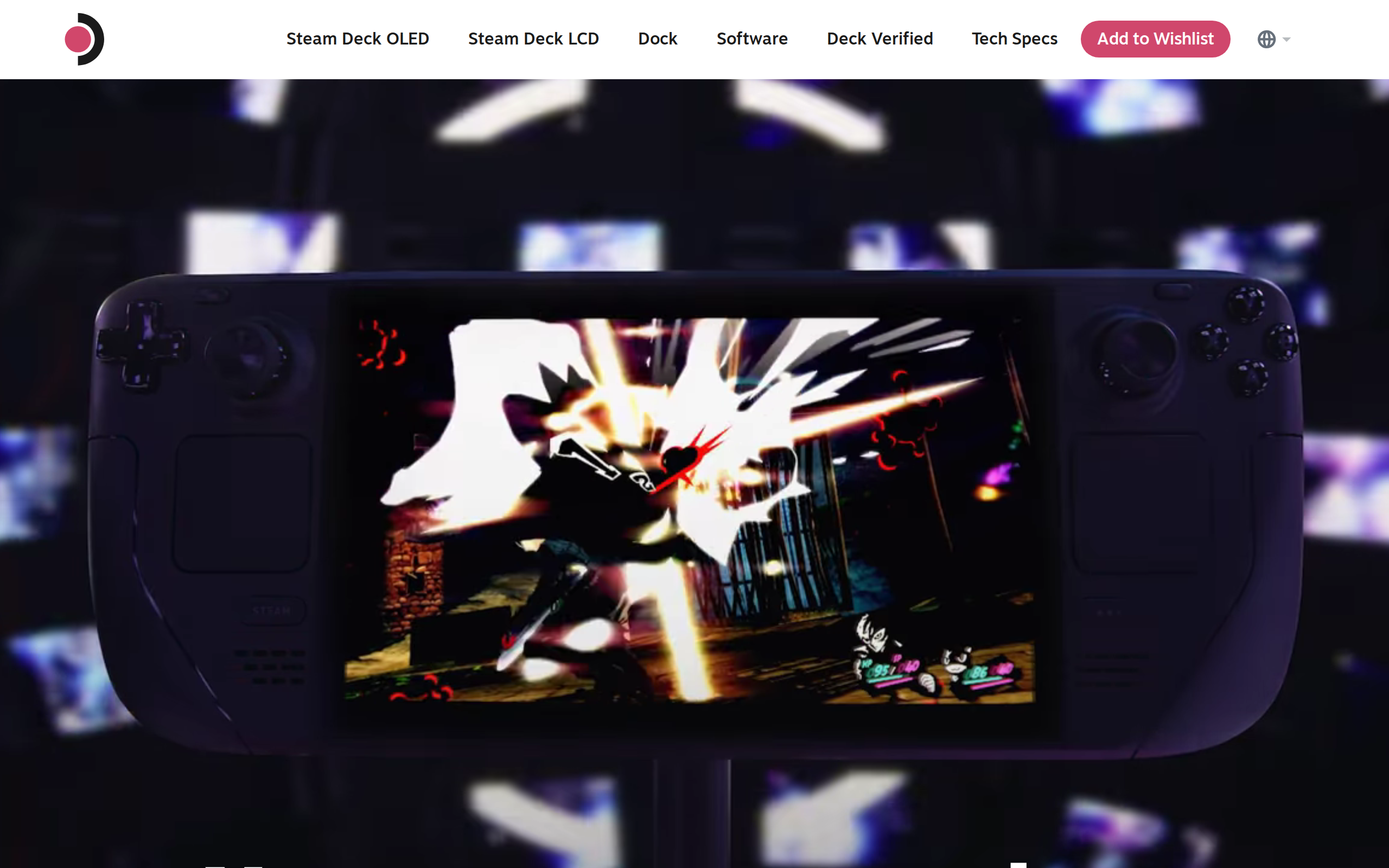
Valve's tech page calls it a 7.4-inch HDR OLED touchscreen at 1280x800, with refresh up to 90Hz. It lists 600 nits in SDR and 1,000 nits peak in HDR. Resolution is modest next to some rivals, but at this screen size it looks sharp, and the contrast of OLED is what you notice first.
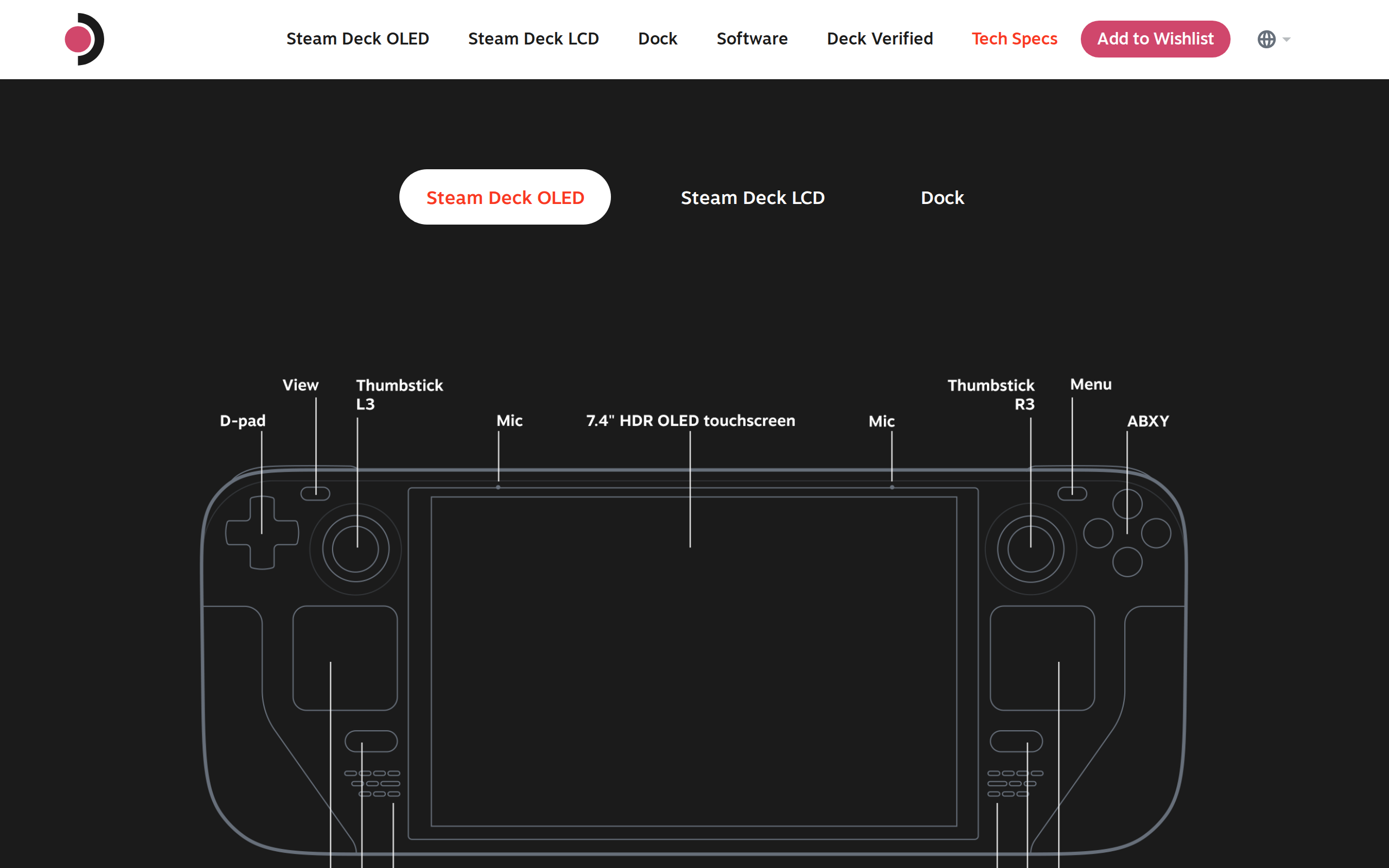
Valve built a whole page around the panel, under the line "Your games in a whole new light."
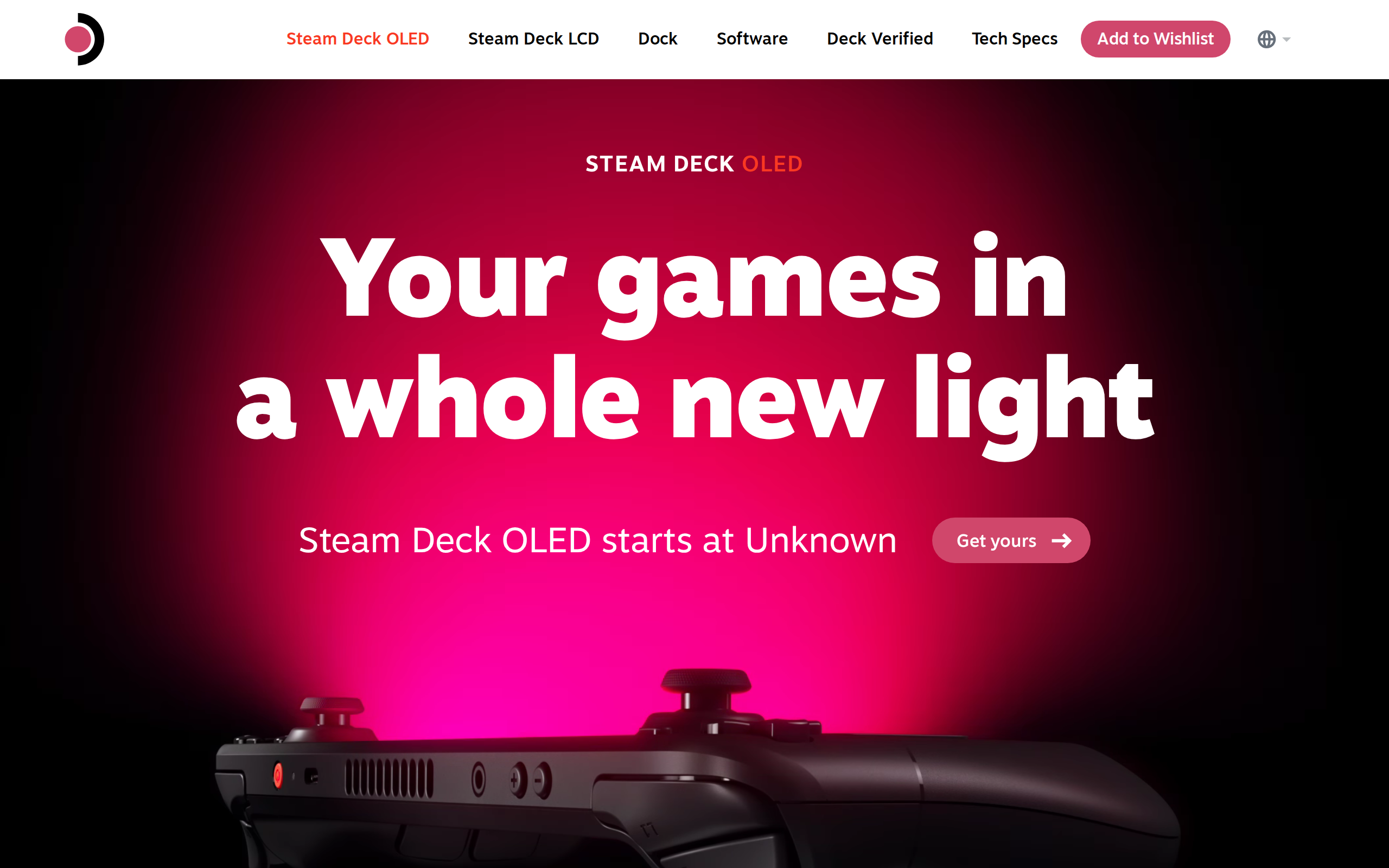
Compare that with a bigger 1080p LCD. More pixels help in text-heavy games, but a lower-resolution OLED wins on dark scenes and on HDR, where its peak brightness does the heavy lifting.
Battery and weight: the honest trade
The Deck carries a 50Whr battery, and Valve rates it at 3 to 12 hours, depending on the content. That wide range is not marketing fog: a 2D indie game at a low frame cap sits at the top, and a demanding 3D title with the chip flat out sits at the bottom. Plan on the low end for new releases.
The cost of that big cell is mass. Valve lists 640 grams and 298 x 117 x 49mm. It is a chunky device, and long sessions on a couch are easier than long sessions held at arm's length on a train.
SteamOS is the quiet advantage
Hardware gets the headlines. Software is what you live with. The Deck runs SteamOS 3, an Arch-based system, and Valve's Deck Verified program sorts your library by how well each game works on the handheld.
Specs
- Price (US)
- From $789 for 512GB
- Screen
- 7.4-inch HDR OLED, 1280x800, up to 90Hz
- Brightness
- 600 nits SDR, 1,000 nits peak HDR
- Processor
- 6 nm AMD APU, Zen 2 4c/8t, 8 RDNA 2 CUs
- Memory
- 16GB LPDDR5, 6400 MT/s
- Battery
- 50Whr, 3 to 12 hours (content dependent)
- Wireless
- Wi-Fi 6E, Bluetooth 5.3
- Size and weight
- 298 x 117 x 49mm, about 640 grams
- Operating system
- SteamOS 3 (Arch-based)